Life saving fire protection · Independently owned24/7 · (888) 844-4766
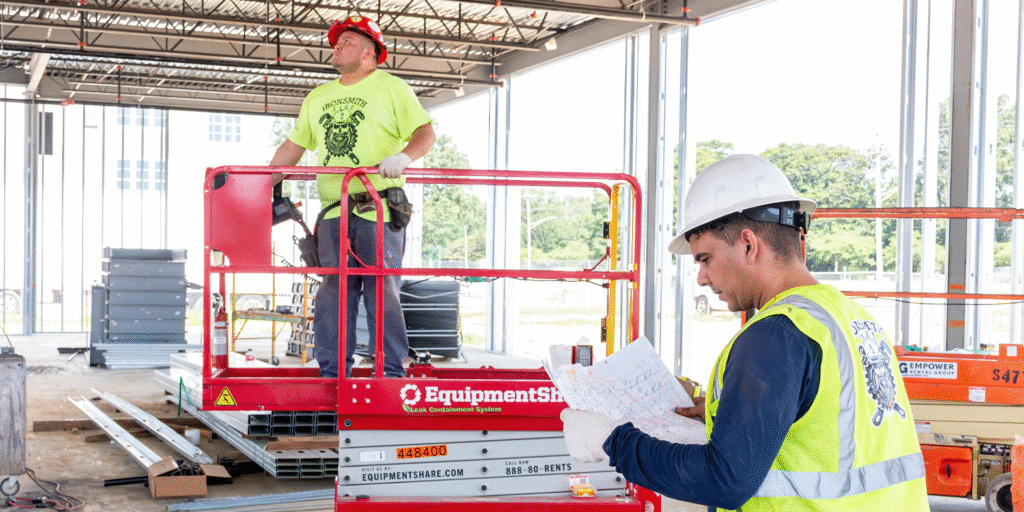
Fire sprinkler systems are engineered to activate early, control fire spread, and protect lives and property before emergency responders arrive. At Ironsmith Fire, we design and install code-compliant commercial fire sprinkler systems across a range of facility types—from data centers and healthcare facilities to warehouses, retail spaces, and multi-family housing. Our approach integrates in-house fabrication, field-tested installation practices, and ongoing service to deliver fire protection systems built for long-term reliability.


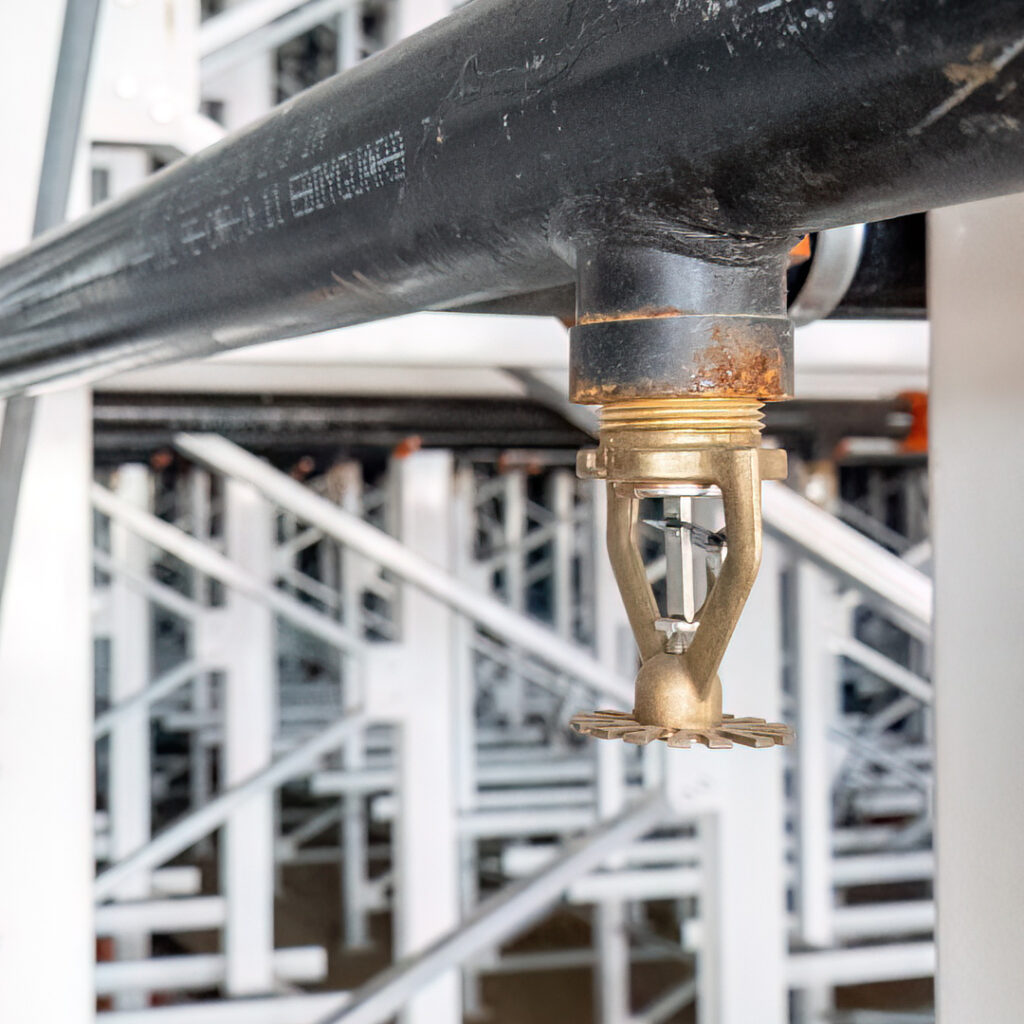
A properly designed commercial fire sprinkler system provides early suppression when heat activates individual sprinkler heads—typically between 135°F and 165°F for standard-response heads in most commercial occupancies. Only the heads directly exposed to heat activate, limiting fire growth and water damage while occupants evacuate. Systems are designed to meet NFPA 13 installation standards and local Authority Having Jurisdiction (AHJ) requirements, which vary by municipality and building use.
Beyond code compliance, fire sprinkler systems help reduce business interruption, support faster recovery after fire events, and often satisfy insurance and lender requirements for commercial properties. In a warehouse storing combustible materials or a healthcare facility with vulnerable occupants, early activation and localized water discharge can mean the difference between a contained incident and catastrophic loss.
Selecting the right system depends on building conditions, occupancy type, ambient temperature, and water supply characteristics.
Wet pipe systems keep water in the piping at all times, delivering the fastest response when a sprinkler head activates—best suited for heated indoor environments like offices, schools, and retail spaces where ambient temperatures stay above 40°F year-round.
Dry pipe systems use pressurized air or nitrogen in the piping network instead of water, releasing water only when heat activates a sprinkler head and lowers the air pressure. This design protects unheated or freezing-prone spaces, such as loading docks, cold storage facilities, unheated warehouses, and parking structures, where ambient temperatures fall below 40°F, which could cause wet pipe systems to freeze and rupture. Dry pipe systems require air compressors, trip valves, and additional maintenance to monitor air pressure and ensure proper valve operation. While they add complexity and slightly delay water delivery compared to wet systems, they provide reliable fire protection in environments where freezing conditions make wet pipe systems impractical.
Pre-action systems incorporate a dual-trigger mechanism—typically requiring both fire detection (smoke or heat) and sprinkler head activation—before water enters the piping and discharges. This design reduces the risk of accidental water discharge from mechanical damage, freezing, or system failure, making pre-action systems appropriate for facilities with sensitive assets such as data centers, museums, archives, and telecommunications equipment rooms, where unintended water release would cause significant damage. Pre-action systems integrate closely with fire alarm and detection systems, requiring coordinated design, installation, and testing between fire sprinkler and alarm trades. While more complex and costly than wet or dry pipe systems, pre-action systems provide an added layer of protection against false activation in high-value environments.
Commercial fire sprinkler installation costs typically range from $2 to $10+ per square foot, though actual project costs vary significantly based on building-specific conditions and local requirements. These broad estimates reflect standard light-hazard to ordinary-hazard occupancies with accessible ceiling spaces, adequate water supply, and straightforward installation conditions. Costs increase when projects involve higher hazard classifications, ceiling heights above 30 feet, limited water supply requiring pumps or main extensions, complex building layouts with obstructions, or retrofit conditions requiring work around occupied spaces and finished surfaces. Regional labor rates, local code amendments, AHJ plan review timelines, and project schedule constraints also influence final costs. Insurance carriers may recognize fire sprinkler systems when determining premiums, though specific savings depend on carrier underwriting practices and policy terms—consult your insurance provider for details on how sprinkler installation may affect coverage and rates.
Several key cost drivers determine where a project falls within the pricing spectrum:
Retrofit installations introduce access challenges, phasing requirements, and coordination with ongoing building operations that increase labor costs and project duration compared to new construction. Working around occupied spaces often requires after-hours installation, temporary shutdowns of building systems, and careful coordination to minimize disruption to tenants and operations. Ceiling removal and repair, asbestos abatement in older buildings, and limited access to concealed spaces add labor hours and material costs not present in new construction projects. Monitoring and fire alarm integration requirements vary by occupancy type and AHJ—some jurisdictions require sprinkler system monitoring with central station alarm reporting, adding equipment and monthly service costs to the overall project budget.
An accurate cost estimate requires a site assessment to evaluate existing conditions and project-specific requirements. Key factors we assess during site walks include:
Contact us for a site assessment—we'll review your facility conditions, discuss code pathways, and provide a detailed estimate based on your building's specific requirements and project timeline.
New construction projects allow fire sprinkler installation to proceed with open ceilings, unobstructed access, and coordination with other trades before finishes are applied—reducing labor costs and installation time compared to retrofit environments. Installers can route piping efficiently, place hangers and supports without cutting finished surfaces, and test systems before drywall, ceiling tiles, and architectural finishes are installed. New construction also allows for optimal placement of risers, control valves, and fire department connections without working around existing building layouts or tenant improvements.
Retrofit installations cost more due to access limitations, the need to work around occupied spaces, and coordination with ongoing building operations. Installers must remove and replace ceiling tiles or drywall to access structural supports, navigate existing HVAC ductwork and electrical conduit, and often work after hours or in phases to minimize disruption to tenants and business operations. Older buildings may require asbestos abatement, structural reinforcement for seismic bracing, or upgrades to inadequate water supply infrastructure—all of which add cost and schedule duration. Phased installation approaches and off-hours coordination help minimize operational disruption by isolating work zones, maintaining building access, and scheduling noisy or disruptive tasks during low-occupancy periods. Clear communication with building management and tenants, combined with detailed phasing plans, reduces downtime and supports continued facility operations throughout the installation process.
Building layout and hazard classification directly influence sprinkler system design density, pipe sizing, and material requirements, thereby affecting both installation costs and water supply needs. High-rack storage facilities with ceiling heights above 30 feet and combustible materials stored above 12 feet require in-rack sprinklers, increased design densities, and larger pipe sizes to deliver adequate water flow at required pressures. Special hazards, such as flammable liquid storage, spray booths, or commercial cooking operations, require specialized suppression approaches and higher design densities than those for standard office or retail occupancies. High-occupant-density environments, such as assembly spaces and multi-family housing, require faster-response sprinkler heads and closer spacing to support life-safety objectives. Each of these conditions increases material costs, labor hours, and water-supply infrastructure requirements compared to light-hazard occupancies with standard ceiling heights and straightforward layouts.
Ironsmith Fire delivers a turnkey approach to commercial fire sprinkler installation—managing design, fabrication, installation, and closeout documentation through a code-forward workflow that minimizes disruption and keeps projects on schedule. Our process begins with a site assessment to evaluate existing conditions, water supply adequacy, occupancy classification, and access constraints that influence system design and installation planning. We then conduct a code pathway review, coordinating with local Authorities Having Jurisdiction (AHJs) to confirm compliance with NFPA 13 installation standards and any local code amendments that affect design density, pipe sizing, or system type selection. This early coordination clarifies approval requirements, reduces plan review delays, and establishes a clear path to final acceptance.
Design and CAD coordination follow, with hydraulic calculations and layout drawings developed to meet code requirements while avoiding conflicts with structural, mechanical, electrical, and plumbing systems. In-house fabrication provides tighter quality control and schedule predictability—prefabricating branch lines, mains, and assemblies in a controlled environment reduces field labor time, minimizes installation errors, and allows our teams to deliver consistent quality across projects. Installation planning addresses phasing requirements, occupancy constraints, and safety protocols to support ongoing building operations during retrofit projects or coordinate efficiently with other trades in new construction. Our teams execute installations with attention to pipe support spacing, proper grading for dry pipe systems, seismic bracing in applicable jurisdictions, and coordination with ceiling and finish trades to maintain project schedules.
Final documentation and handover support include as-built drawings, hydraulic calculation reports, material certifications, and inspection records that satisfy AHJ closeout requirements and support long-term system maintenance. This end-to-end process delivers inspection-ready systems, minimizes rework and schedule delays, and provides building owners with the documentation needed for insurance compliance, tenant handover, and future service work.
Effective coordination with general contractors, electrical contractors, plumbing trades, ceiling installers, and fire alarm vendors prevents conflicts and rework that delay project schedules and increase costs. We participate in coordination meetings, review composite drawings to identify clashes between sprinkler piping and HVAC ductwork or electrical conduit, and adjust routing or support locations before installation begins. Close coordination with fire alarm teams ensures proper integration of flow switches, tamper switches, and supervisory devices that connect sprinkler system status to building alarm panels. Early identification of conflicts and proactive communication with other trades reduces field changes, supports efficient installation sequencing, and keeps projects moving toward final inspection without costly delays.
Testing and commissioning verify that installed systems perform as designed and meet code requirements before final acceptance. Our teams conduct hydrostatic pressure tests to confirm piping integrity, functional tests of dry-pipe and pre-action trip mechanisms, where applicable, and main drain flow tests to verify water supply adequacy and system hydraulic performance. We coordinate walkthroughs with building owners, general contractors, and AHJs to demonstrate system operation, review documentation, and address any final inspection items. While final acceptance and approval remain the responsibility of the Authority Having Jurisdiction, our testing protocols and closeout documentation support efficient AHJ review and help building owners achieve occupancy permits and certificate of occupancy milestones on schedule.
Fire sprinkler systems require routine inspections and testing under NFPA 25 to maintain operational readiness. Inspection intervals include monthly control valve checks, quarterly dry pipe gauge readings, annual main drain tests, and five-year internal pipe inspections for dry and pre-action systems. Our service team provides compliant inspection documentation, identifies potential impairments before they affect system reliability, and coordinates repairs to keep your facility inspection-ready.

Commercial fire sprinkler installation typically ranges from $2 to $10+ per square foot, though actual costs depend on building size, occupancy hazard classification, ceiling height, water supply adequacy, and whether the project involves new construction or retrofit conditions. Larger facilities often achieve lower per-square-foot costs due to economies of scale, while high-hazard occupancies, limited water supply requiring pumps, and retrofit installations with access constraints increase project costs. Contact us for a site assessment—we'll evaluate your facility conditions and provide a detailed estimate based on your specific building requirements and project timeline.
Ironsmith Fire handles permit applications, plan submittals, and coordination with local Authorities Having Jurisdiction (AHJs) throughout our installation process. We manage plan review responses, schedule required inspections, and provide closeout documentation to support final acceptance. While we coordinate the approval process and ensure systems meet code requirements, final acceptance and certificate of occupancy approval remain the responsibility of the AHJ and building owner.
Fire sprinkler systems require routine inspections under NFPA 25 to maintain operational readiness and code compliance. Typical inspection intervals include monthly control valve checks, quarterly dry pipe gauge readings, annual main drain tests, and five-year internal pipe inspections for dry and pre-action systems. Our service team provides compliant inspection documentation and coordinates repairs to keep your facility inspection-ready year-round.
Insurance carriers may recognize fire sprinkler systems when determining premiums, though specific savings depend on carrier underwriting practices, policy terms, occupancy type, and building characteristics. Some property owners see reduced premiums after sprinkler installation, while others may find that sprinklers satisfy lender or lease requirements without direct premium reductions. Consult your insurance provider for details on how sprinkler installation may affect your coverage and rates.
Yes—phased installation approaches and off-hours coordination help minimize operational disruption during retrofit projects. We isolate work zones, maintain building access, and schedule noisy or disruptive tasks during low-occupancy periods to support continued facility operations throughout the installation process. Clear communication with building management and tenants, combined with detailed phasing plans, reduces downtime and allows most facilities to remain operational during sprinkler system installation.
Whether you're planning a retrofit installation or need a fire sprinkler system for new construction, Ironsmith Fire delivers design, fabrication, and installation across the Memphis, Nashville, and Orlando metro areas. Contact us for a site assessment—we'll discuss system options, code requirements, and project timelines specific to your facility and budget.