Life saving fire protection · Independently owned24/7 · (888) 844-4766
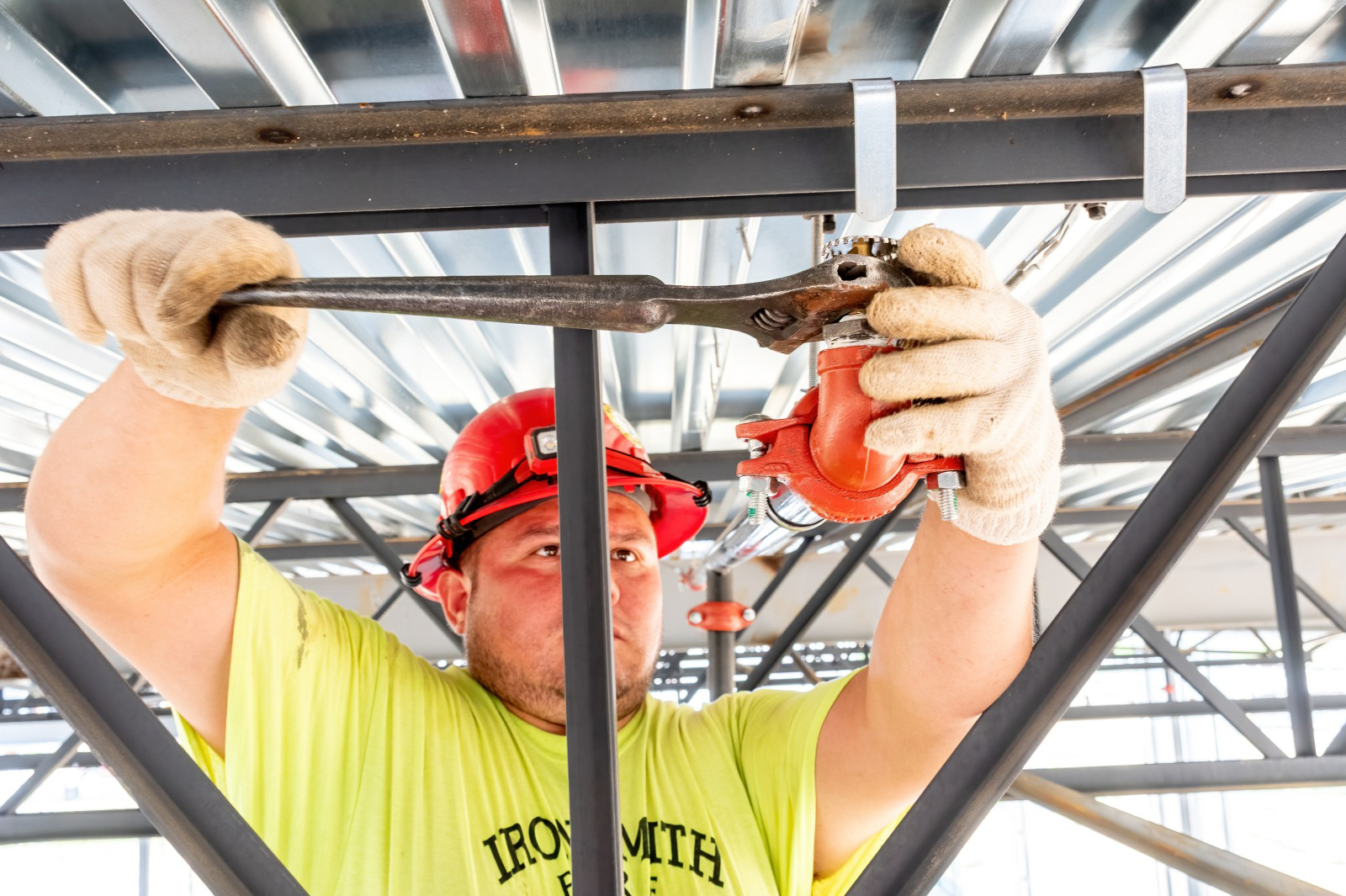
Commercial facilities across Nashville depend on reliable fire sprinkler systems to protect people, property, and operations from fire loss. Ironsmith Fire delivers complete commercial fire protection services. We handle system design and installation. We provide ongoing inspections and 24/7 emergency support. Our work is backed by in-house design and NICET-certified technicians who understand the compliance and uptime demands of Middle Tennessee businesses.


We provide end-to-end fire sprinkler work for commercial properties throughout the Nashville metro, handling design, permitting, installation, and long-term maintenance with a focus on code compliance, craftsmanship, and responsiveness. Our team works directly with facility managers, general contractors, and property owners to deliver fire protection systems built to perform when it matters most—systems we've pressure-tested, commissioned, and inspected in facilities from downtown high-rises to Williamson County industrial parks.

Ironsmith Fire serves the greater Nashville area, including Davidson, Williamson, Rutherford, and Sumner counties. Our local presence means faster response times for emergency repairs, inspections, and service calls across Middle Tennessee. We've worked in Nashville long enough to know which buildings require freeze protection for rooftop dry-pipe risers. We understand how to coordinate with the Metro Fire Marshal's permitting process. We know which fire alarm monitoring companies local facilities already use. These details matter when you're maintaining life-safety systems in occupied commercial buildings.
Our technicians hold NICET Level II and III certifications in Water-Based Systems Layout and Inspection & Testing of Water-Based Systems, demonstrating the technical competence required to design, install, inspect, and maintain fire sprinkler systems in compliance with NFPA 13, NFPA 25, and Tennessee state fire codes. We're fully licensed and insured to work across Tennessee, and we coordinate directly with the Nashville Fire Marshal's Office and local authorities having jurisdiction to keep permitting and inspection processes on track.
From initial layout through decades of operation, we handle every phase of fire sprinkler system life. That continuity means faster coordination, fewer handoffs, and a single point of accountability for fire protection performance.
Our design team produces hydraulically calculated, NFPA 13-compliant sprinkler layouts tailored to your facility's unique hazards, occupancy classification, and building systems. We use BIM modeling to coordinate with MEP trades early. This reduces conflicts and rework during construction. For Nashville projects, we account for local considerations that matter. These include freeze-protection requirements in unheated mechanical spaces, seismic bracing per IBC amendments, and water-supply pressures from Metro Water Services. This approach supports long-term reliability and first-time approval by plan reviewers.
Our installation crews bring jobsite discipline and technical skill to every commercial fire sprinkler project. We prioritize OSHA compliance. We coordinate closely with general contractors and other trades. We work to minimize disruption in occupied facilities. Systems are hydrostatically tested per NFPA 13 acceptance criteria. They're flushed to clear debris. They're commissioned with flow tests and alarm verification. This documented work withstands AHJ inspection. It performs as designed when the building occupancy permit depends on it.
Fire sprinkler impairments, pipe leaks, and flow switch malfunctions don't follow business hours. Our emergency service team is available around the clock to dispatch technicians, diagnose issues, and restore systems to service. We stock Viking, Reliable, and Victaulic components and maintain the equipment to mobilize quickly when you need after-hours or short-notice commercial fire protection support.
Ongoing fire sprinkler maintenance isn't optional; it's required by NFPA 25 and enforced by insurers and local fire authorities. Our inspection and testing services keep your system compliant, documented, and ready to pass AHJ reviews.
We perform the full spectrum of required sprinkler inspections on the schedule your system demands—quarterly control valve and fire pump churn tests, semi-annual dry-pipe trip tests, annual main drain flows, and five-year internal obstruction investigations where required. Proactive service detects corrosion, valve tampering, and gauge drift before they lead to code violations or system failures during a fire event.
Many commercial fire sprinkler systems in Nashville include backflow preventers, electric or diesel fire pumps, and integrated alarm panels, all of which require separate testing and certification. We handle backflow testing per ASSE 5000 and Tennessee Department of Environment standards, fire pump annual flow tests per NFPA 25 Chapter 8, and alarm device verification—coordinated inspection work that keeps all life safety components in sync and documented for insurance renewals.
Every inspection we perform generates detailed reports documenting test results, deficiencies found, and corrective actions taken—records that satisfy insurance underwriters, pass AHJ reviews, and demonstrate NFPA 25 compliance during audits. We provide signed inspection certificates, hydraulic test data, valve inventory logs, and photographic evidence formatted to meet the expectations of property insurers and the Nashville Fire Marshal's Office. When your facility undergoes a fire code inspection or insurance renewal, you'll have the documentation needed to prove your fire sprinkler system has been professionally maintained and tested on schedule.
Every water-based system runs on NFPA 25 clocks - weekly, monthly, quarterly, annual, and 5-year cycles. Pick the systems behind your riser door and our free schedule builder maps your building’s inspection calendar in about 60 seconds.
Hospitals, clinics, and laboratory facilities need NFPA 99-compliant fire protection and careful regulatory coordination. We schedule installations to work around patient care operations and provide inspection services that align with CMS and Joint Commission requirements.
Learn More >Production facilities require hazard-appropriate design with minimal operational disruption. We develop systems for manufacturing environments with continuity considerations integrated throughout installation and ongoing service.
Learn More >Server environments with water-sensitive equipment call for specialized suppression strategies. We engineer pre-action and clean-agent systems that safeguard critical infrastructure while preventing equipment damage from unintended activation.
Learn More >Schools, residence halls, and apartment buildings house high-density populations under stringent life safety requirements. We manage inspection schedules and upgrade projects with resident and student safety as the central priority.
Learn More >Customer-facing properties require fire protection that integrates seamlessly with daily operations. We coordinate installations and maintenance around active business periods and provide prompt response when service needs emerge.
Learn More >Arenas, convention facilities, and entertainment properties present distinct fire protection considerations with large crowds, intricate exit routes, and changing event setups. We develop systems that work with rigging infrastructure, performance equipment, and audience patterns while preserving code compliance and operational adaptability.
Learn More >Retail spaces need fire protection that works with display arrangements, seasonal changes, and shopper movement. We create sprinkler systems that safeguard merchandise and building structure while reducing aesthetic intrusion and supporting tenant modifications without sacrificing protection coverage.
Learn More >Courthouses, administrative centers, and public service structures require high reliability and careful adherence to government contracting protocols. We navigate public procurement procedures, implement systems that comply with federal and state requirements, and produce documentation that meets oversight standards.
Learn More >Hangars, terminals, and aviation support structures pose particular risks due to fuel handling, aircraft servicing, and elevated ceiling heights. We engineer foam suppression systems for hangar spaces and schedule installations around flight operations that require continuous availability.
Learn More >We’re the exclusive distributor of Huguenot Labs’ UL-listed solutions - proven to eliminate MIC and corrosion. We protect your system from the inside out - extending life and cutting future repair costs.


Costs vary widely based on building size, occupancy type, system complexity, and local permitting requirements. A straightforward office or retail build-out might range from $2–$4 per square foot, while high-hazard industrial or data center installations can run significantly higher. We provide itemized estimates after reviewing your plans and site conditions.
We offer 24/7 emergency service and typically dispatch a technician within hours of your call, depending on location and crew availability. Our goal is rapid mobilization to minimize water damage and restore fire protection coverage as quickly as possible.
Metro Nashville follows the International Building Code and International Fire Code with Tennessee state amendments, but specific projects may encounter local plan review requirements or Fire Marshal preferences. We stay current with Nashville permitting processes and coordinate with AHJs to address any jurisdiction-specific expectations during design and inspection.
Whether you're planning new construction, upgrading an existing system, or looking for a reliable inspection partner, we're ready to support your commercial fire protection needs in Nashville. Reach us at (615) 722-4766 for our Nashville line, or contact us online to request a quote. Share your site details, system type, and project timeline, and we'll follow up the same business day to discuss scope and next steps.